
Why Material Strength Matters With Long-Term Water Structure Performance
Concrete sits at the core of every long-lasting pool. It supports water weight, resists ground movement, and holds finishes in place. When concrete quality drops, problems begin to show fast. Cracks spread. Surfaces wear out. Repairs cost more over time. Understanding how concrete quality affects swimming pool longevity helps you make smart choices early. It also helps you avoid common failures that shorten a pool’s life. The right materials, methods, and care can add decades to a pool’s usable years.
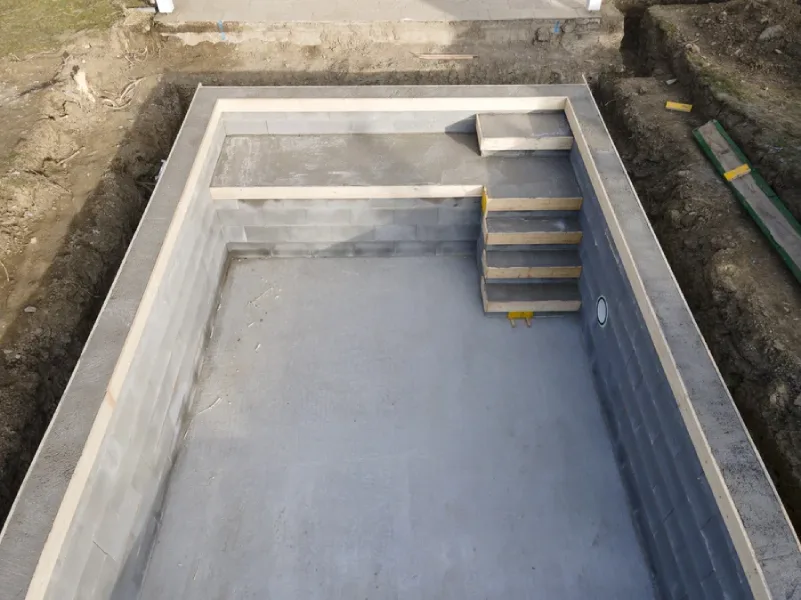
Key Benefits of High-Quality Concrete With Pool Durability
Strong concrete gives you better results from day one. During swimming pool installation, mix design, curing time, and reinforcement all matter. High-quality concrete resists pressure from water and soil. It also handles temperature changes better. This strength lowers the risk of cracks and surface failure. You gain smoother finishes that last longer. You also see fewer leaks and stains. Over time, this reduces repair needs and keeps your pool safe for use.
Common Problems Caused by Poor Concrete With Early Wear
Low-grade concrete often fails within a few seasons after swimming pool installation. Weak mixes can absorb water. This leads to freeze damage and surface scaling. Poor curing creates brittle areas that crack under stress. These cracks let water reach steel reinforcements. Rust forms and expands. This cycle weakens the structure fast. You may see uneven surfaces, loose tiles, or sudden leaks that require major fixes.
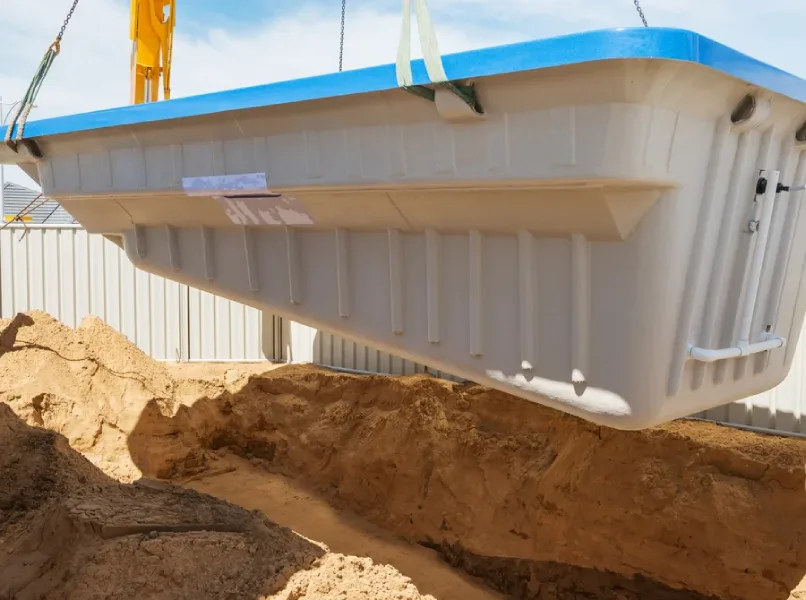
Clear Steps That Improve Concrete Results With Consistent Quality
- Use a proper concrete mix with the right cement ratio
- Add steel rebar or mesh for structural support
- Control water content to prevent weak spots
- Allow full curing time before adding finishes
- Test strength levels before filling with water
Best Practices Professionals Follow With Reliable Concrete Work
- Source concrete from certified batch plants
- Follow strict placement and vibration rules
- Protect fresh surfaces from heat and wind
- Inspect reinforcement spacing before pouring
- Schedule curing checks during the first week
Industry Standards That Guide Concrete Quality With Safety Rules
Concrete pools must meet local and national building codes. These standards set minimum strength levels and reinforcement rules. Many builders follow guidelines from the American Concrete Institute. These rules explain mix ratios, curing times, and testing methods. Inspections often check compressive strength. They also check steel placement depth. Following these standards protects you from early failures and legal issues.
Cost Factors and Value Tradeoffs With Quality Choices
- Pros: longer lifespan and fewer repairs
- Pros: better surface finishes over time
- Cons: higher upfront material costs
- Cons: longer build timelines due to curing
Daily Use and Care Tips With Long-Term Strength
Even strong concrete needs proper care. Keep water chemistry balanced to avoid surface damage. Watch for small cracks and seal them early. Avoid draining the pool without expert advice. Sudden pressure changes stress the shell. These habits protect the concrete and help finishes stay bonded. Consistent care extends the pool’s life and preserves structural strength.
Get Expert Guidance With Concrete-Focused Pool Solutions
Located in Odessa, TX, we help clients protect their pool investments with proven concrete methods. Barron Pond Rock Patios focuses on strong materials, careful planning, and clear communication through every build. Our teams work together to limit risk and avoid costly failures. Call (432) 261-8961 to discuss how concrete quality choices can extend your pool’s usable life.