
Understanding Seasonal Changes With Planning That Protects Your Project
Weather plays a major role in how a driveway forms, cures, and lasts. Many homeowners focus on design and price. Fewer plan around temperature, rain, wind, and humidity. These elements change how concrete sets and gains strength. Poor timing can lead to cracks, weak spots, or uneven surfaces. Smart planning helps you avoid delays and wasted costs. Knowing how weather affects the process helps you choose the right schedule and contractor.
Why Temperature Timing Matters With Pouring
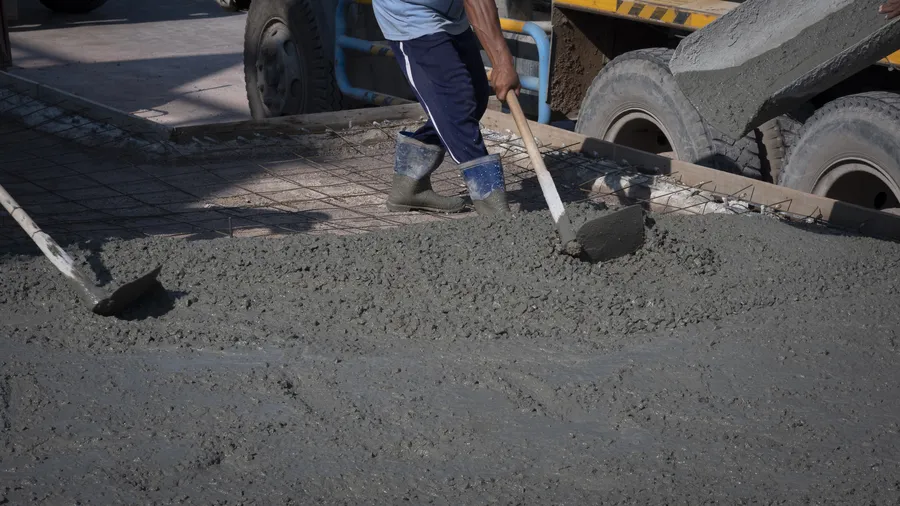
Concrete driveway installation depends heavily on temperature during and after the pour. Ideal temperatures range between 50 and 75 degrees Fahrenheit. Cold weather slows curing and weakens early strength. Hot weather causes fast drying and surface cracking. Extreme temperatures increase the risk of failure. Contractors often adjust mixes or work hours to match conditions. You benefit when work matches the season.
Benefits of Scheduling Around Weather With Smart Planning
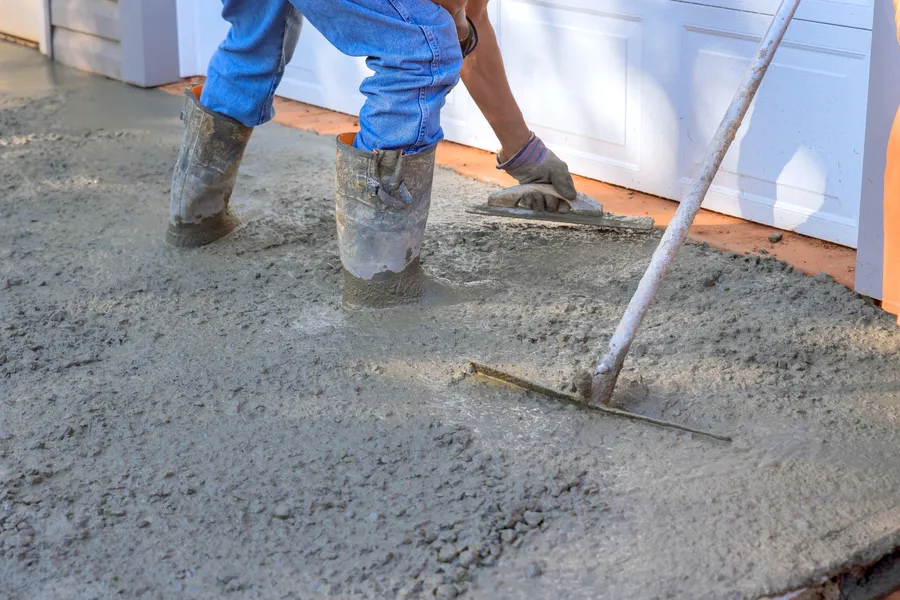
Planning concrete driveway installation around weather brings clear benefits for your property. Proper timing improves strength, surface finish, and lifespan. It also reduces repair costs later. Contractors can control curing better in stable conditions. You gain peace of mind knowing shortcuts were avoided. The results show in appearance and long-term use.
- Stronger curing that resists cracks and chips
- Better surface finish with fewer flaws
- Lower risk of early repairs or replacement
- More predictable project timelines
Common Weather Problems That Disrupt Projects
Weather often creates delays and quality issues for driveway pours. Rain washes cement paste from the surface. Freezing temperatures stop curing and cause scaling. High heat pulls moisture out too fast. Wind dries surfaces unevenly and leaves marks. These problems affect strength and appearance. Knowing these risks helps you ask better questions before work starts.
How Professionals Adjust the Process With Changing Conditions
Experienced crews change their approach based on weather forecasts. They monitor temperature and moisture during the pour. They adjust water content and timing. They also protect fresh surfaces after placement. These steps reduce failure risks and maintain strength.
- Check forecasts before scheduling the pour
- Prepare the site to manage drainage and shade
- Use mix adjustments suited for the temperature
- Cover and cure the surface after finishing
Best Practices to Protect Your Driveway With Care
Simple best practices help your driveway last for years. These steps support curing and reduce damage risks. They also improve overall durability.
- Avoid pouring during extreme heat or freezing weather
- Use curing blankets or plastic covers when needed
- Limit foot and vehicle traffic during early curing
- Follow contractor guidance for sealing timelines
Industry Standards and Cost Factors With Weather Risks
Industry standards stress proper curing and temperature control. Many local codes require minimum strength before use. Weather delays can add labor and material costs. Protective measures also affect price. However, these costs prevent larger repairs later. Investing in proper timing protects your budget and property value.
Planning Your Project With Long-Term Value
Located in Odessa, TX, weather patterns change through the year, which impacts scheduling choices. Our teams plan pours carefully to match seasonal conditions. Barron Pond Rock Patios focuses on durable results that reduce future issues. Call (432) 261-8961 to discuss timing options and protection steps so projects remain strong and reliable.